


Recovering from surgery, a stroke, a joint replacement, a sports injury, or a chronic musculoskeletal condition takes time, consistency, and the right professional support. For decades, that meant regular trips to a hospital, clinic, or rehabilitation center for physical therapy. Digital healthcare has changed that reality.
Today, two models are reshaping how people recover: Remote Physical Therapy and Virtual Physical Therapy. Both allow patients to receive treatment, guidance, and monitoring from home but they work differently and serve different recovery needs.
Paired with AI-powered rehab tools, wearable sensors, and real-time movement tracking, these physical therapy solutions are widening access to care and helping providers personalize treatment in ways that simply weren’t possible before. As home-based care continues to grow, one question keeps coming up: for home recovery monitoring, which approach delivers better results?
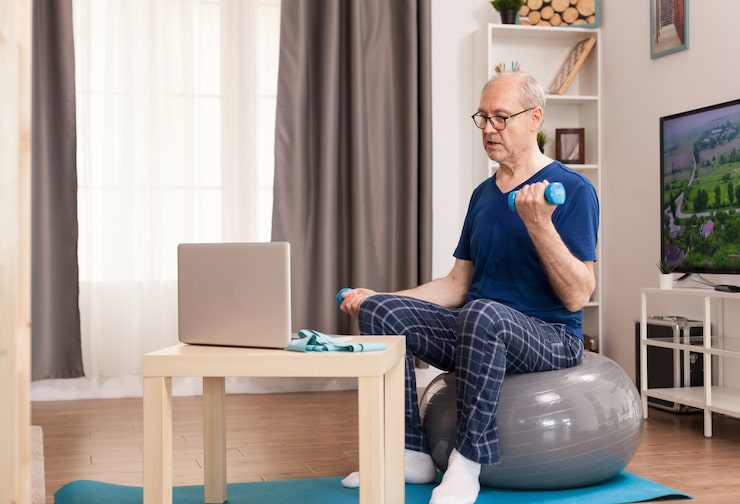

Understanding Modern Rehabilitation in the Digital Healthcare Era
Healthcare is moving steadily toward remote care. Industry reports project the global digital health market to exceed $900 billion by 2030, with telehealth, remote patient monitoring, and AI-powered rehabilitation among the fastest-growing segments.
Physical therapy is no exception. More patients today prefer rehab programs that reduce travel, add flexibility, and allow continuous progress tracking from home. That preference is driving the rise of two distinct models remote rehab systems and virtual therapy platforms both designed to support recovery well beyond the walls of a traditional clinic.
For older adults in particular, physical therapy for seniors has benefited enormously from this shift. Remote and virtual options remove transportation barriers, reduce fall risk from unnecessary travel, and make consistent care far more achievable for those managing mobility challenges.
What Is Remote Physical Therapy?
Remote Physical Therapy is a rehabilitation model that pairs therapist supervision with technology combining remote patient monitoring, AI-powered movement analysis, wearable sensors, and digital health platforms to track and guide recovery from a distance.
What sets it apart from a simple video call is what happens between sessions. Monitoring is continuous, not limited to scheduled appointments.
Patients complete their exercises at home while providers follow progress through connected devices, AI cameras, mobile apps, or remote health monitoring systems. Because that data flows in real time, clinicians can check whether patients are following their plan, detect recovery issues early, and adjust treatment all without requiring frequent in-person visits.
This makes remote physical therapy at home a strong option for people who need consistent clinical oversight but can’t easily travel to a clinic on a regular basis.
What Is Virtual Physical Therapy?
Virtual Physical Therapy centers on live, scheduled video sessions between a licensed therapist and a patient.
Through secure telehealth platforms, therapists guide patients through exercises, observe their movement, answer questions, and make real-time treatment recommendations. The appeal is straightforward: professional care without the commute, from wherever the patient happens to be.
Virtual PT works well across a wide range of rehab programs. However, it typically operates on a session-based schedule rather than continuous monitoring. Platforms like VitalWatch365 help bridge that gap by adding remote patient monitoring between sessions, giving providers better visibility into recovery trends and more context for clinical decisions.
Remote Physical Therapy vs. Virtual Physical Therapy
While both approaches support home-based rehabilitation, there are important differences in how they monitor patient recovery.
| Feature | Remote Physical Therapy | Virtual Physical Therapy |
|---|---|---|
| Real-Time Monitoring | Continuous | Session-Based |
| AI Movement Tracking | Yes | Limited |
| Home Recovery Data Collection | Extensive | Minimal |
| Wearable Device Integration | Common | Rare |
| Therapist Video Sessions | Optional | Core Feature |
| Progress Analytics | Advanced | Basic |
| Treatment Adherence Tracking | Automated | Manual |
| Recovery Alerts | Available | Limited |
| Patient Convenience | High | High |
| Long-Term Monitoring | Strong | Moderate |
For patients who need ongoing rehabilitation oversight particularly those recovering from complex surgeries or managing neurological conditions remote physical therapy typically offers greater visibility into recovery progress.
Can Physical Therapy Be Done Remotely?
Yes. Physical therapy can be delivered effectively through a combination of telehealth consultations, digital exercise programs, wearable devices, AI-powered rehab tools, and remote monitoring systems.
With these tools in place, therapists can assess mobility, monitor exercise quality, track recovery trends, and stay connected with patients without requiring regular in-clinic visits. Many providers now integrate remote physical therapy home care into post-surgical rehab, orthopedic recovery, neurological rehabilitation, sports injury treatment, and chronic pain management.
A secure patient login and app-based access let patients connect with their care team, track their own progress, and participate in personalized therapy from anywhere which strengthens engagement and keeps care more consistent over time.
Can PT Be Done Virtually?
Virtual PT is now widely accepted across healthcare systems.
Patients meet with their therapist over a secure video platform to receive a personalized treatment plan, exercise instruction, mobility assessments, and ongoing guidance. For many musculoskeletal conditions, virtual therapy can produce outcomes comparable to in-person care provided patients stay consistent and committed to their follow-up sessions.
What Are the Advantages of Virtual Therapy?
Virtual therapy offers clear benefits for both patients and providers.
Patients can access specialized therapists regardless of where they live, which removes travel time and transportation barriers entirely. For those seeking the best physical therapy near me but living in rural or underserved areas, virtual options can be a practical alternative to finding local in-person care.
Providers, in turn, can expand their reach while reducing cancellations and scheduling friction. Virtual therapy also adds flexibility that traditional in-person visits can’t easily match, making it far easier for patients to fit sessions into a busy schedule.
How AI Cameras Are Transforming Physical Therapy
One of the most significant developments in rehab technology is the rise of AI camera systems for movement analysis.
Using computer vision and machine learning, these tools assess posture, joint angles, exercise accuracy, and overall rehabilitation performance in real time. For physical therapy at home, this kind of automated analysis provides a level of clinical insight that goes well beyond what a standard video call can offer.
AI-powered monitoring systems can:
- Detect incorrect exercise form before it causes strain
- Measure range of motion over time
- Track rehabilitation progress against clinical benchmarks
- Generate objective performance reports
- Alert providers to early signs of recovery issues
- Improve exercise compliance between sessions
As the technology continues to mature, AI camera systems are becoming a standard feature in remote physical therapy programs.
Will PT Be Replaced by AI?
No. AI is not going to replace physical therapists.
Effective rehabilitation depends on clinical judgment, patient education, emotional support, individualized treatment planning, and hands-on expertise skills that require a human professional. What AI does exceptionally well is extend what therapists can accomplish.
It automates movement analysis, surfaces recovery trends, generates progress reports, and streamlines monitoring freeing therapists to spend more time on high-value patient care and treatment refinement. The future of rehabilitation looks less like replacement and more like collaboration between skilled therapists and intelligent tools.
What Are the Downsides of Telehealth Therapy?
Telehealth rehabilitation has real advantages, but it also has limitations worth understanding before committing to a model.
Some patients need hands-on manual therapy techniques that simply can’t be delivered over video. Access to reliable internet, comfort with technology, and a suitable home environment can all shape the quality of the experience. Certain complex neurological or orthopedic cases also benefit from periodic in-person evaluations that telehealth can’t fully replicate.
In many cases, the best outcomes come from a blended approach combining virtual care, remote monitoring, and traditional in-clinic assessments when clinically appropriate.
What Is the Role of Remote Monitoring in Rehabilitation?
Remote monitoring is central to modern physical therapy home care.
It allows providers to follow patient progress between appointments, identify adherence gaps, detect setbacks early, and intervene at the right moment rather than waiting until the next scheduled session to discover a problem.
Patients can use a free Android or iOS app to track their activities, access their therapy programs, and stay connected with their care team throughout recovery. Key monitoring functions include:
- Tracking exercise completion rates
- Measuring mobility improvements over time
- Recording treatment adherence
- Capturing objective recovery metrics
- Supporting clinical decision-making with real data
- Strengthening patient accountability
Together, these capabilities keep care consistent and make rehab management proactive rather than reactive.
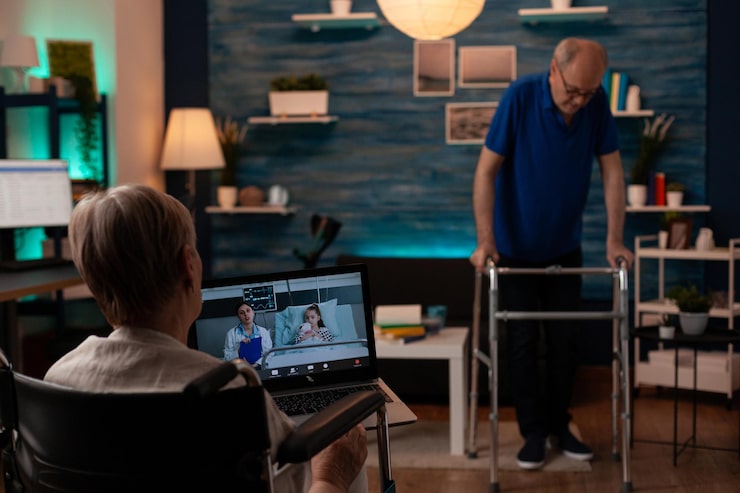

Advantages of Patient Health Monitoring Systems in Physical Therapy
Patient health monitoring systems add measurable value during rehabilitation for both providers and patients.
Providers gain objective recovery data they can act on. Patients receive more personalized guidance throughout their recovery journey. For healthcare organizations evaluating remote physical therapy solutions, monitoring systems also make care easier to scale without sacrificing quality.
Specific benefits include:
- Clearer real-time visibility into recovery progress
- Faster intervention when complications or setbacks appear
- Stronger patient engagement and motivation
- Better long-term treatment adherence
- Data-driven rehab planning grounded in objective evidence
- Fewer unnecessary clinic visits
- Improved long-term outcomes
For seniors and other high-risk patients, this level of monitoring can be particularly important. Physical therapy for seniors often involves slower recovery timelines and a higher risk of complications, making continuous oversight genuinely valuable rather than optional.
Is Virtual PT Worth It?
For many patients, virtual PT is an effective, convenient, and cost-efficient alternative to in-person visits.
People recovering from orthopedic procedures, sports injuries, chronic pain, and mobility limitations frequently see strong outcomes through virtual rehab programs. Add remote patient monitoring, AI-powered analytics, and a structured exercise plan, and virtual PT can serve as a cornerstone of a complete home recovery program.
Whether virtual PT is the right fit depends on the patient’s condition, recovery goals, technology access, and how much continuous monitoring their rehab plan requires. For those with straightforward rehab needs and good self-discipline, it works extremely well. For those who need more intensive oversight, a blended or fully remote model tends to produce better results.
Why Remote Physical Therapy Is Becoming a Preferred Recovery Model
Healthcare systems are increasingly embracing remote rehabilitation because it broadens access, sharpens monitoring, and keeps the patient at the center of care.
Remote physical therapy at home combines therapist expertise with intelligent digital tools AI movement analysis, wearable sensors, remote rehab systems, and real-time monitoring to create a more connected and responsive recovery experience.
For patients searching for the best physical therapy near me who want professional-grade rehab without the constraints of a fixed clinic schedule, remote physical therapy strikes a strong balance between flexibility, clinical supervision, and measurable results. It brings many of the benefits traditionally associated with rehabilitation centers for physical therapy directly into the patient’s home without sacrificing the clinical rigor those environments are known for.
Organizations looking to offer advanced physical therapy solutions can explore platforms like VitalWatch365, which brings together digital monitoring, patient engagement, and real-time recovery tracking to power more effective home-based rehabilitation.