

Chronic conditions are the defining healthcare challenge of our time. The majority of healthcare spending goes toward managing long-term illnesses like diabetes,...
Read More
Recovering from surgery, a stroke, a joint replacement, a sports injury, or a chronic musculoskeletal condition requires time, consistency, and expert care.
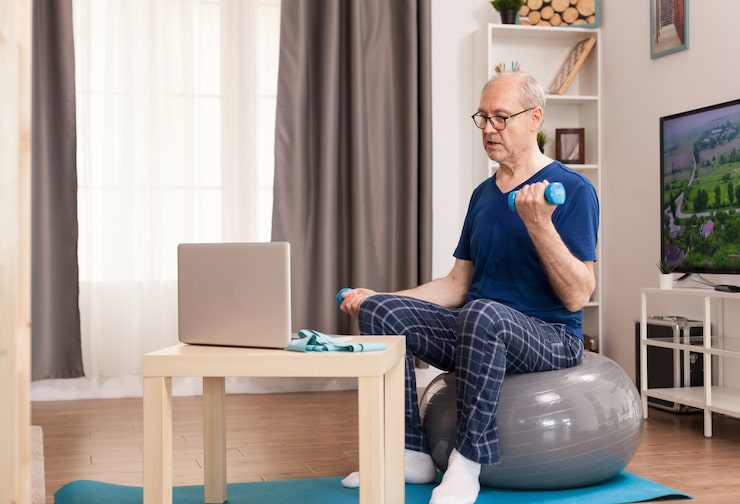
Traditionally, rehabilitation meant frequent visits to hospitals, outpatient clinics, or therapy centers. Today, digital healthcare is changing that experience. Across the United States, healthcare providers are increasingly adopting Remote Physical Therapy and Virtual Physical Therapy to help patients recover safely from home.
Supported by AI-powered rehabilitation tools, wearable sensors, and real-time movement tracking, these innovative care models make rehabilitation more accessible, personalized, and effective. As home-based healthcare continues to expand throughout the United States, many patients and providers are asking which approach delivers the best results for long-term recovery.
Understanding Modern Rehabilitation in the Digital Healthcare Era
Healthcare is rapidly shifting toward connected and patient-centered care. Industry forecasts estimate the global digital health market will exceed $900 billion by 2030, with telehealth, remote patient monitoring, and AI-assisted rehabilitation leading this transformation.
In the United States, healthcare systems, rehabilitation centers, and private practices are investing heavily in digital rehabilitation technologies to improve patient outcomes while reducing unnecessary hospital visits.
As a result, Remote Physical Therapy and Virtual Physical Therapy have become practical solutions for patients seeking flexible, high-quality rehabilitation from home. Older adults, post-surgical patients, and individuals with mobility challenges especially benefit from these advancements because they reduce travel, improve treatment adherence, and support continuous recovery monitoring.
Which Therapy Option Fits Your Recovery Goals?
Sign up or log in to access your therapy plan and monitor your recovery in one place
Personalized recovery plans
AI-driven health care management with smart alerts and thresholds
Audiovisual therapy education for guided self-rehab
Real-time metrics capture for progress tracking
For patients who need ongoing rehabilitation oversight particularly those recovering from complex surgeries or managing neurological conditions remote physical therapy typically offers greater visibility into recovery progress.
Can Physical Therapy Be Done Remotely?
Yes. Physical therapy can be successfully delivered through telehealth consultations, digital exercise programs, wearable technology, AI-powered rehabilitation software, and remote patient monitoring platforms. These technologies allow therapists to evaluate mobility, monitor exercise performance, track recovery progress, and adjust treatment plans without requiring patients to travel regularly.
Across the United States, remote physical therapy has become an increasingly popular option for orthopedic rehabilitation, stroke recovery, sports injury treatment, neurological conditions, and chronic pain management.
Secure patient portals and mobile applications also improve communication between patients and providers, encouraging better treatment adherence and long-term recovery outcomes.
Can PT Be Done Virtually?
Virtual PT is now widely accepted across healthcare systems.
Patients meet with their therapist over a secure video platform to receive a personalized treatment plan, exercise instruction, mobility assessments, and ongoing guidance. For many musculoskeletal conditions, virtual therapy can produce outcomes comparable to in-person care provided patients stay consistent and committed to their follow-up sessions.
What Are the Advantages of Virtual Therapy?
Virtual Physical Therapy offers patients convenient access to licensed therapists through secure video consultations, eliminating many of the barriers associated with traditional in-person care.
Patients can receive personalized rehabilitation guidance regardless of where they live, making specialized physical therapy more accessible.
Throughout the United States, healthcare providers continue expanding virtual rehabilitation services to reduce travel time, improve scheduling flexibility, and increase access for rural and underserved communities.
When combined with remote patient monitoring, virtual therapy also provides clinicians with valuable recovery insights that support better treatment decisions.
How AI Cameras Are Transforming Physical Therapy
One of the most significant developments in rehab technology is the rise of AI camera systems for movement analysis.
Using computer vision and machine learning, these tools assess posture, joint angles, exercise accuracy, and overall rehabilitation performance in real time. For physical therapy at home, this kind of automated analysis provides a level of clinical insight that goes well beyond what a standard video call can offer.
AI-powered monitoring systems can:
- Detect incorrect exercise form before it causes strain
- Measure range of motion over time
- Track rehabilitation progress against clinical benchmarks
- Generate objective performance reports
- Alert providers to early signs of recovery issues
- Improve exercise compliance between sessions
As the technology continues to mature, AI camera systems are becoming a standard feature in remote physical therapy programs.
Will PT Be Replaced by AI?
No. AI is not going to replace physical therapists.
Effective rehabilitation depends on clinical judgment, patient education, emotional support, individualized treatment planning, and hands-on expertise skills that require a human professional. What AI does exceptionally well is extend what therapists can accomplish.
It automates movement analysis, surfaces recovery trends, generates progress reports, and streamlines monitoring freeing therapists to spend more time on high-value patient care and treatment refinement. The future of rehabilitation looks less like replacement and more like collaboration between skilled therapists and intelligent tools.
What Are the Downsides of Telehealth Therapy?
Telehealth rehabilitation has real advantages, but it also has limitations worth understanding before committing to a model.
Some patients need hands-on manual therapy techniques that simply can’t be delivered over video. Access to reliable internet, comfort with technology, and a suitable home environment can all shape the quality of the experience. Certain complex neurological or orthopedic cases also benefit from periodic in-person evaluations that telehealth can’t fully replicate.
In many cases, the best outcomes come from a blended approach combining virtual care, remote monitoring, and traditional in-clinic assessments when clinically appropriate.
What Is the Role of Remote Monitoring in Rehabilitation?
Remote monitoring plays a critical role in modern home-based rehabilitation by allowing therapists to follow patient progress between appointments instead of relying only on scheduled visits.
Using connected devices, wearable sensors, AI-powered movement analysis, and mobile applications, clinicians can identify adherence gaps, detect recovery setbacks early, and modify treatment plans based on objective data.
Healthcare providers across the United States increasingly use remote patient monitoring because it improves clinical decision-making, enhances patient engagement, and supports more proactive rehabilitation management while reducing unnecessary in-person visits.
Advantages of Patient Health Monitoring Systems in Physical Therapy
Patient health monitoring systems add measurable value during rehabilitation for both providers and patients.
Providers gain objective recovery data they can act on. Patients receive more personalized guidance throughout their recovery journey. For healthcare organizations evaluating remote physical therapy solutions, monitoring systems also make care easier to scale without sacrificing quality.
Specific benefits include:
- Clearer real-time visibility into recovery progress
- Faster intervention when complications or setbacks appear
- Stronger patient engagement and motivation
- Better long-term treatment adherence
- Data-driven rehab planning grounded in objective evidence
- Fewer unnecessary clinic visits
- Improved long-term outcomes
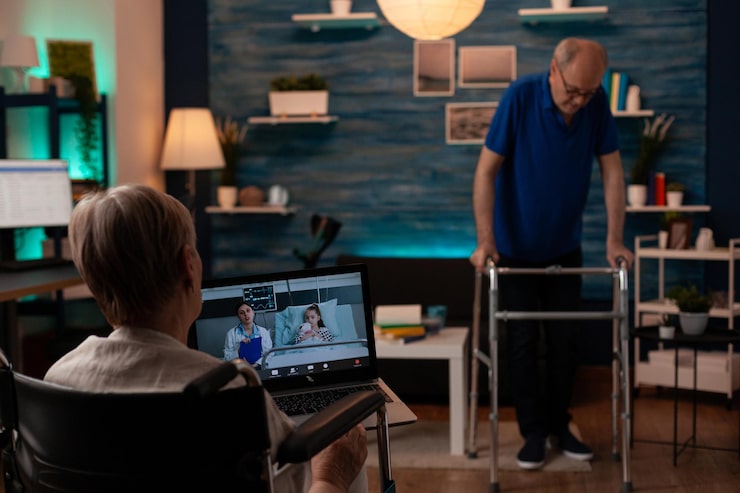
For seniors and other high-risk patients, this level of monitoring can be particularly important. Physical therapy for seniors often involves slower recovery timelines and a higher risk of complications, making continuous oversight genuinely valuable rather than optional.
Related Posts
What Is Remote Patient Monitoring? Benefits, How It Works, and Why It Matters
Healthcare is no longer limited to hospitals and doctor's offices. Across the United States, healthcare providers are using Remote Patient...
Read More

What Is a Chronic Care Management Plan? Requirements, Benefits, and Best Practices
Managing chronic health conditions has become one of the biggest challenges in modern healthcare. Millions of patients live with long-term...
Read More